

Chapters
Chapter IV: The Powers That Be
The Ephoran Renaissance didn't just reconnect humanity; it solidified the identities of the major powers that had diverged during the Long Scattering, throwing their contrasting philosophies and ambitions into sharp relief under the bright glare of newfound possibilities. The Unified Galactic Alliance provided a forum on Auralis Prime, but true power resided within these distinct human constellations, each vying for influence, resources, and control over the Ephoran legacy:
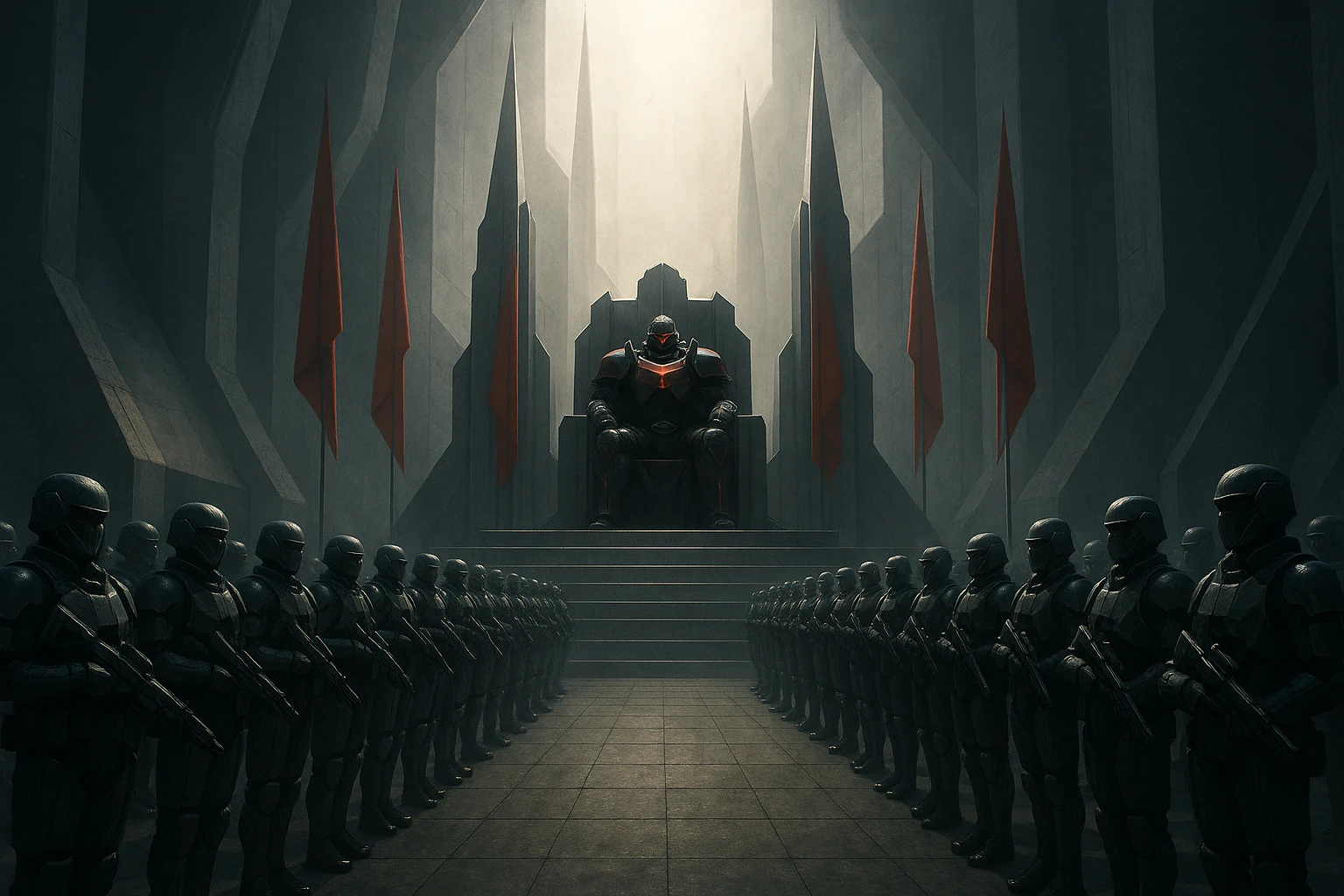
First stood the Dominion of Kralon, forged in the unforgiving crucible of a high-gravity, resource-poor world named Kralon. Generations of hardship had bred a society that valued strength, discipline, and unwavering obedience to a hierarchical structure culminating in an Emperor advised by formidable military councils. They viewed the chaos of pre-Scattering Earth and the subsequent fragmentation as proof of humanity's inherent weakness when divided. To the Dominion, the Ephoran portals and the technologies derived from the artifacts were not gifts to be studied, but tools granted by fate – instruments for unification under their disciplined, iron-fisted rule. They chafed under UGA restrictions, seeing them as obstacles to their manifest destiny. Their legions were renowned for their discipline, their starships built as vessels of conquest – heavily armed and armored dreadnoughts and cruisers, increasingly enhanced with illicitly acquired Quantarite for superior shielding and devastating weaponry. For the Dominion, the portals were strategic assets, conduits for rapid troop deployment to enforce their vision of order upon the galaxy.
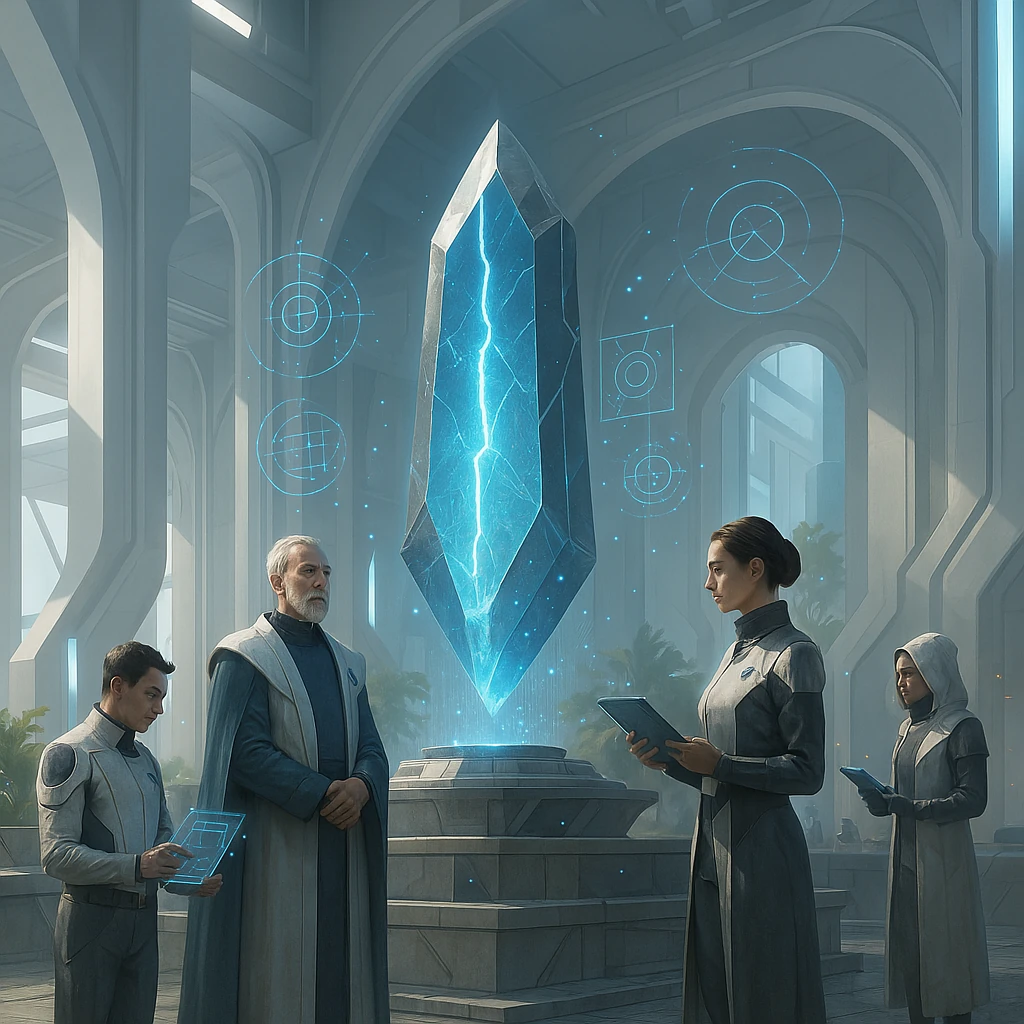
In stark philosophical opposition was the Celestian Accord. Descended from orbital scientific arcologies and isolated philosophical communes founded during the Scattering, the Accord revered knowledge above all else. They believed the Ephoran legacy was a sacred trust, a profound mystery to be carefully unraveled, not ruthlessly exploited. Headquartered among a network of research stations and university-worlds like the gleaming orbital city of Veritas, the Accord funded vast expeditions into the unknown, pioneered techniques for deciphering Ephoran artifacts, and developed sophisticated sensor technologies to probe the secrets of the universe. They saw the portals primarily as channels for collaboration, allowing scientists and scholars across the stars to share discoveries instantaneously. However, their dedication to ethical considerations and thorough debate often rendered them slow to act in the face of aggression, and their focus on pure research left them vulnerable to espionage, particularly from those seeking to weaponize their findings. Their starships often reflected this focus, featuring advanced laboratories and long-range sensors, sometimes lacking the brute force of Dominion vessels.
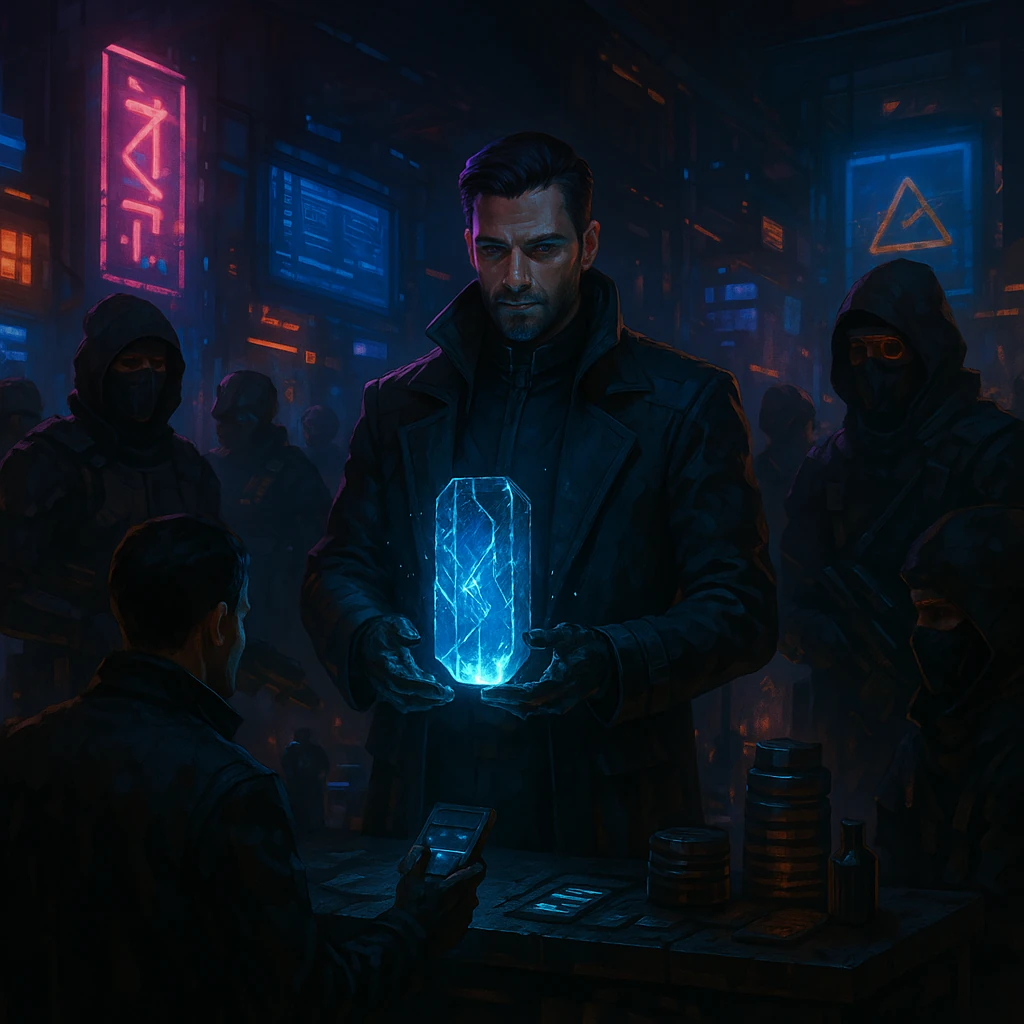
Operating in the shadows cast by these ideological titans was the Aetherion Syndicate. Less a traditional government, more a decentralized, galaxy-spanning corporation built on secrets, manipulation, and profit. Its origins lay in the clandestine trade networks and smuggling rings that had survived and thrived during the isolation of the Scattering, connecting disparate outposts beyond the reach of any formal authority. The Syndicate viewed the UGA, the portals, and the rush for Astromite and Quantarite with cold, calculating opportunism – it was simply the biggest market disruption in history. Led by enigmatic figures known only as the Aetherlords, who operated from hidden bases nestled in nebulae and lawless asteroid fields, the Syndicate excelled at circumventing regulations. They mastered illicit portal transit for smuggling high-value personnel, forbidden artifacts, and sensitive data. They manipulated Astromite prices, brokered secret Quantarite deals, and bought influence within every major government, including the UGA bureaucracy itself. Their power resided not in vast fleets, but in ubiquitous intelligence networks, vast wealth, sophisticated stealth technology, and the ability to pull strings from the darkness, often playing rival factions against each other for their own gain.
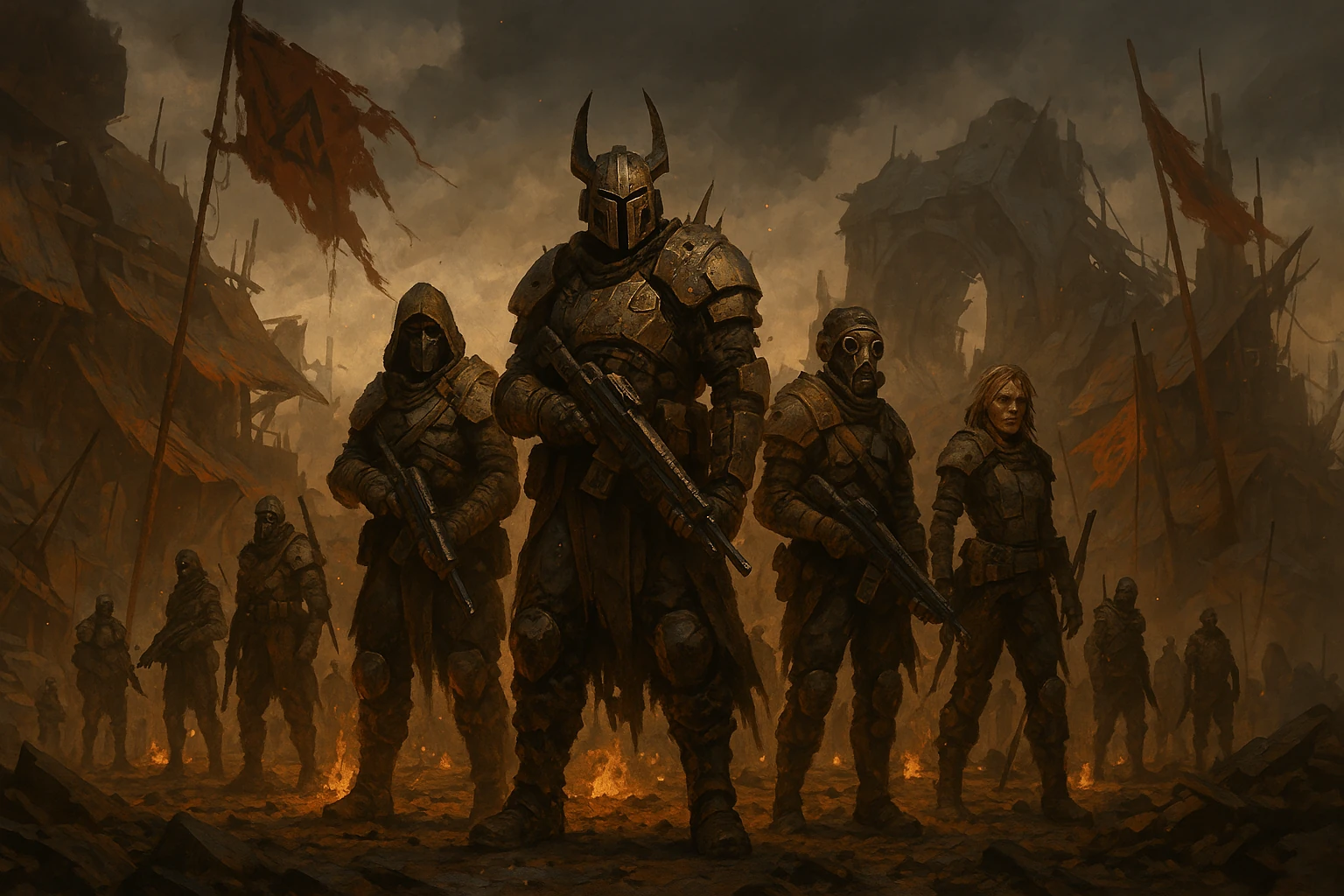
Beyond the fringes of UGA-controlled space festered the Ravagers. This wasn't a unified faction, but a chaotic catch-all term for the myriad independent groups born from the detritus of the Scattering and the failures of the Renaissance – descendants of collapsed colonies who had turned feral, crews of mutinied warships, rogue AI experiments deemed too dangerous and cast adrift, and pirate clans like the infamous 'Skull Vipers' operating out of the Tartarus Nebula, who had preyed on isolated settlements for generations. Led by brutal warlords like the infamous cyborg Skorn, or guided by cryptic AI collectives such as Omega-7, the Ravagers haunted the edges of known space. They rarely controlled portal systems themselves, lacking the resources and stability, but they expertly raided worlds and shipping lanes connected by the network. They thrived on chaos, scavenging technology they barely understood, sometimes unearthing dangerous Ephoran relics from forgotten ruins. Their ships were often grotesque patchworks of salvaged parts, bristling with mismatched weapons, embodying the anarchy they represented. They were a persistent thorn in the side of the major powers, a constant reminder of the fragility of order.
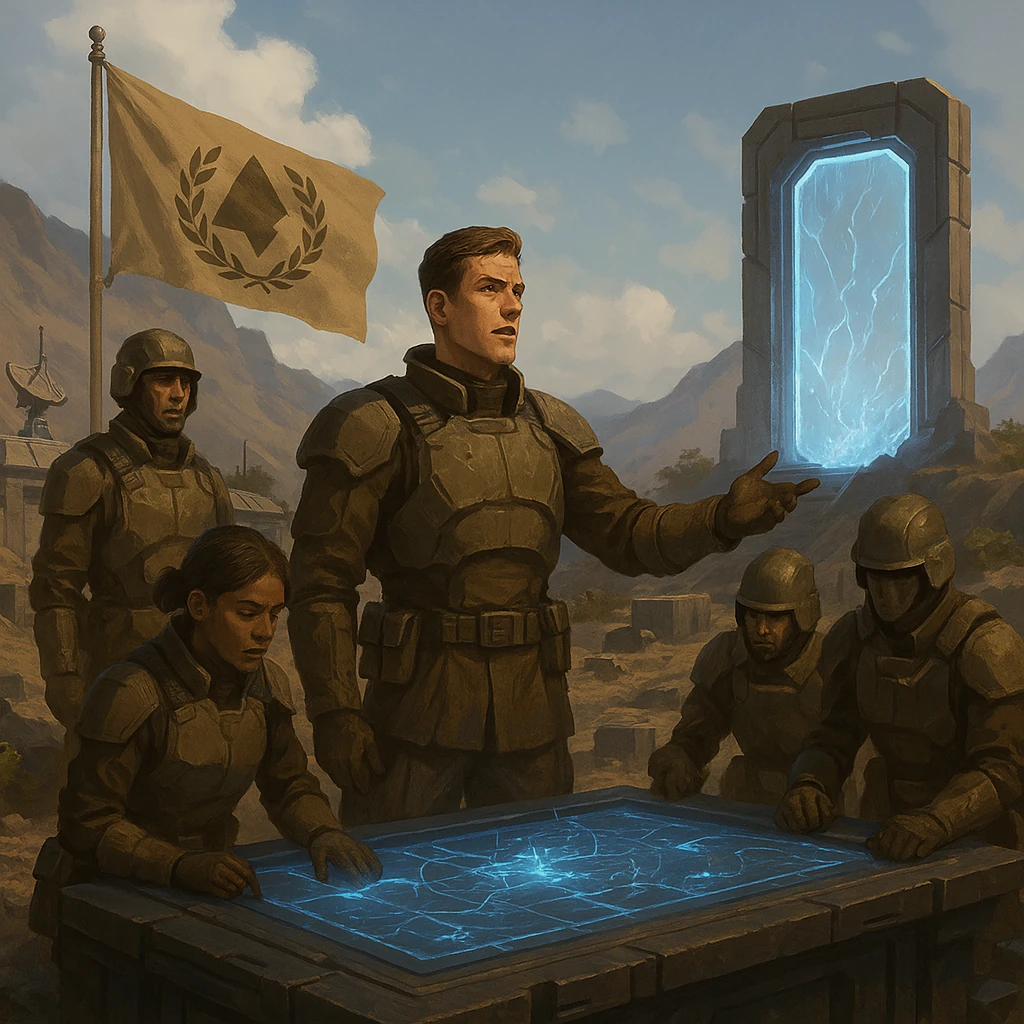
Finally, within the very structure of the UGA, a significant force began to coalesce – the Aurelian Front. This wasn't an external power bloc, but an increasingly unified coalition inside the Alliance, representing the interests of mid-tier systems, established merchant republics, and numerous frontier colonies. They held onto the original promise of the UGA: shared prosperity, equitable portal access, and mutual defense. Over time, they felt increasingly marginalized by the Dominion's relentless expansionism, exploited by the Syndicate's predatory economics, and sometimes overlooked by the Accord's perceived intellectual elitism. They lobbied tirelessly within the UGA councils for reforms, demanding more transparent resource distribution, particularly concerning vital Quantarite, fairer representation, and checks on the Dominion's growing military power. While initially focused on diplomacy and trade, the escalating tensions gradually forced many Aurelian worlds to invest heavily in their own defensive fleets, turning this internal political movement into a significant military counterweight, and drawing the battle lines for the conflicts to come right through the heart of the Alliance itself.
Interstellar Empires
A browser-based 4X strategy game set in space. Build your empire, explore new worlds, and dominate the galaxy.


© 2024-2026 Interstellar Empires. By using this website you agree to the Terms of Service.